Shopping Cart (0)
Close


No products in the cart.
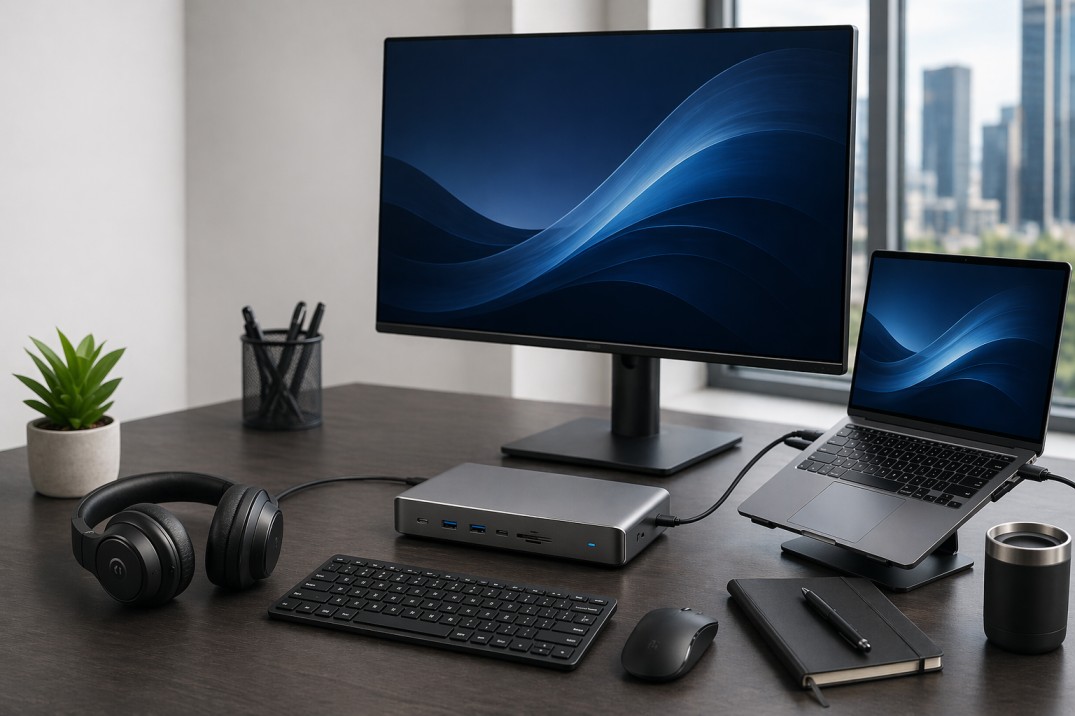
Selecting the right operating system is one of the most important decisions for any business. It affects performance, security, compatibility, and long term costs. Today, a lot of businesses based in the UAE have to make up their mind regarding either keeping Windows 10 or going over to Windows 11.
These two operating systems are widespread yet differ in several aspects. While the former is reliable and proven, the latter is safer and more suited for modern equipment.
This article will help you understand the difference between the two in plain language and choose the one which is the best choice for you.
The modern business environment relies greatly on technological advancements. From communication applications, cloud computing platforms, and other tools operate based on your system.
Failure to select the right operating system may result in:
Reduced speed
Security threats
Compatibility problems
Expensive maintenance expenses
In the UAE, where many businesses are moving towards digital operations, having the right system setup is essential.
One of the most popular operating systems among business firms is Windows 10. The system is reliable and compatible with many business applications.
Many companies prefer Windows 10 because employees are already familiar with it. Additionally, the system operates efficiently on old laptops and desktops, thus making it a cost efficient alternative.
However, Microsoft recently declared an expiration date for Windows 10 support.
Windows 11 is the latest version of Microsoft’s operating system. It is designed for modern devices and includes better security, improved performance, and a cleaner interface.
It also supports newer technologies, which makes it more suitable for businesses that want to stay updated.
While it may take some time for teams to adjust, Windows 11 is built for long term use.
Let’s look at the differences between the two operating systems.
The user interface in Windows 11 is more contemporary and streamlined compared to Windows 10.
In contrast, Windows 10 features a more classic interface familiar to most users.
Therefore, when choosing between Windows 10 and Windows 11 for business use, one should expect a brief adaptation period.
Windows 11 was designed to be used in modern computers. The system works efficiently and quickly when it comes to resource management.
Windows 10 continues to provide excellent results despite being a relatively outdated operating system.
In case your company utilizes the latest laptops, Windows 11 might prove to be more efficient.
Security is one of the biggest improvements in Windows 11.
It includes advanced security features such as hardware based protection and improved system isolation. These features help protect business data and reduce risks.
Windows 10 is also quite safe, but lacks certain new features regarding security.
Windows 10 is compatible with numerous old software programs and hardware.
There are certain system requirements in Windows 11. Therefore, some old devices will not work under this system.
It is important for enterprises that use old software applications.
Support from Microsoft for Windows 10 will soon be terminated, which means there will be no future updates and security patches available.
Windows 11 will be supported for a longer period of time.
One of the biggest differences is hardware compatibility.
Windows 11 requires:
newer processors
secure boot support
TPM (Trusted Platform Module)
Many older laptops may not meet these requirements.
If your business is using older devices, upgrading to Windows 11 may require new hardware.
This is where choosing the right business laptop becomes important. You can explore options in your existing guide on Best Business Laptops in UAE for 2026 to find compatible systems.
The answer depends on your current setup.
Your devices are out of date.
Your software does not support Windows 11.
Or, if you don’t want to incur the cost of upgrading right away.
You are purchasing new laptops
Security is a concern
Long term support is important
You depend on updated programs
Overall, Windows 11 looks to be the preferred option for most UAE based firms that are experiencing growth.
Upgrading to Windows 11 is not just about software. It may involve hardware upgrades.
This can increase initial costs, but it also reduces long term risks.
Staying on Windows 10 for too long may lead to:
higher maintenance costs
security vulnerabilities
reduced performance
For businesses planning ahead, investing in newer systems can be more cost effective.
Windows 11 includes features that can improve productivity.
It offers better multitasking, improved window management, and smoother performance on modern hardware.
For teams that use multiple applications or work with multiple screens, this can make a difference.
If your team uses external monitors, pairing your setup with the right accessories is also important. You can refer to your guide on Best Laptop Accessories for Business in 2026 to improve your workspace setup
Moving from Windows 10 to Windows 11 is not always immediate.
Businesses may face:
software compatibility checks
employee training
data migration planning
hardware upgrades
These challenges can be managed with proper planning.
A gradual upgrade approach often works best for businesses.
Cybersecurity is becoming more important for businesses in the UAE.
Windows 11 provides stronger protection against modern threats.
This is especially important for companies handling:
customer data
financial transactions
internal business information
Upgrading to a more secure system can reduce risks and improve trust.
The technology landscape is constantly evolving, and organizations require solutions that can adapt.
Windows 11 was made with the future in mind. It is compatible with next-generation devices, applications, and security protocols.
Windows 10 is stable right now, but it lacks the capability for sustainable development.
If your goal is to future proof your business, Windows 11 is the better option.
Conclusion: There are pros for both Windows 10 and Windows 11.
The former is reliable and compatible with old devices; hence it is ideal for firms which cannot migrate yet.
The latter is secure, performs faster, and receives prolonged support; hence, it is perfect for firms which wish to plan ahead.
Most firms in the UAE should consider migrating to Windows 11, particularly during hardware upgrades.
Yes, Windows 11 offers better security and long term support, making it more suitable for modern business environments.
Yes, but support will end soon. After that, security updates will no longer be available.
In many cases, yes. Windows 11 has stricter hardware requirements compared to Windows 10.
Yes, Windows 11 includes advanced security features designed to protect business data.
Most modern software works on Windows 11, but older applications may need testing before upgrading.
If you are planning long term growth and using modern devices, upgrading is recommended.
The main differences are security, performance, and long term support.
ABOUT US
Gadgetly is an IT trading company based in the UAE supplying computer systems, networking products, peripherals, and technology accessories across the region. Through our online platform, customers can source genuine IT products with reliable delivery options and competitive pricing.

Gadgetly ©2026 . All Rights Reserved. TL No – 2306964
Get an instant 10% off on 1st Purchse